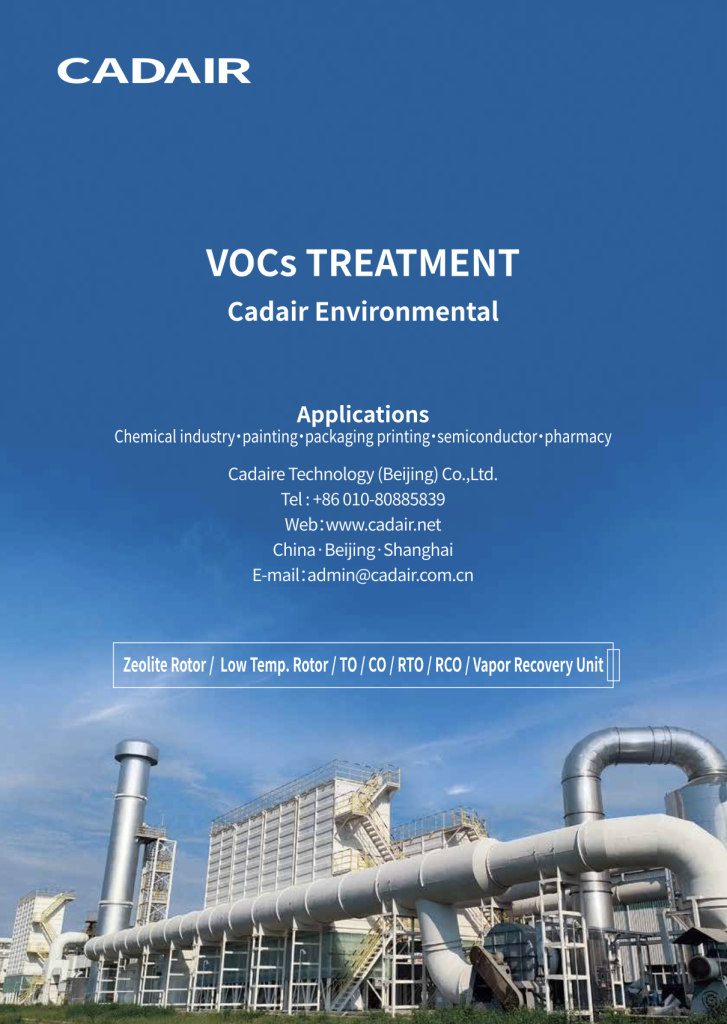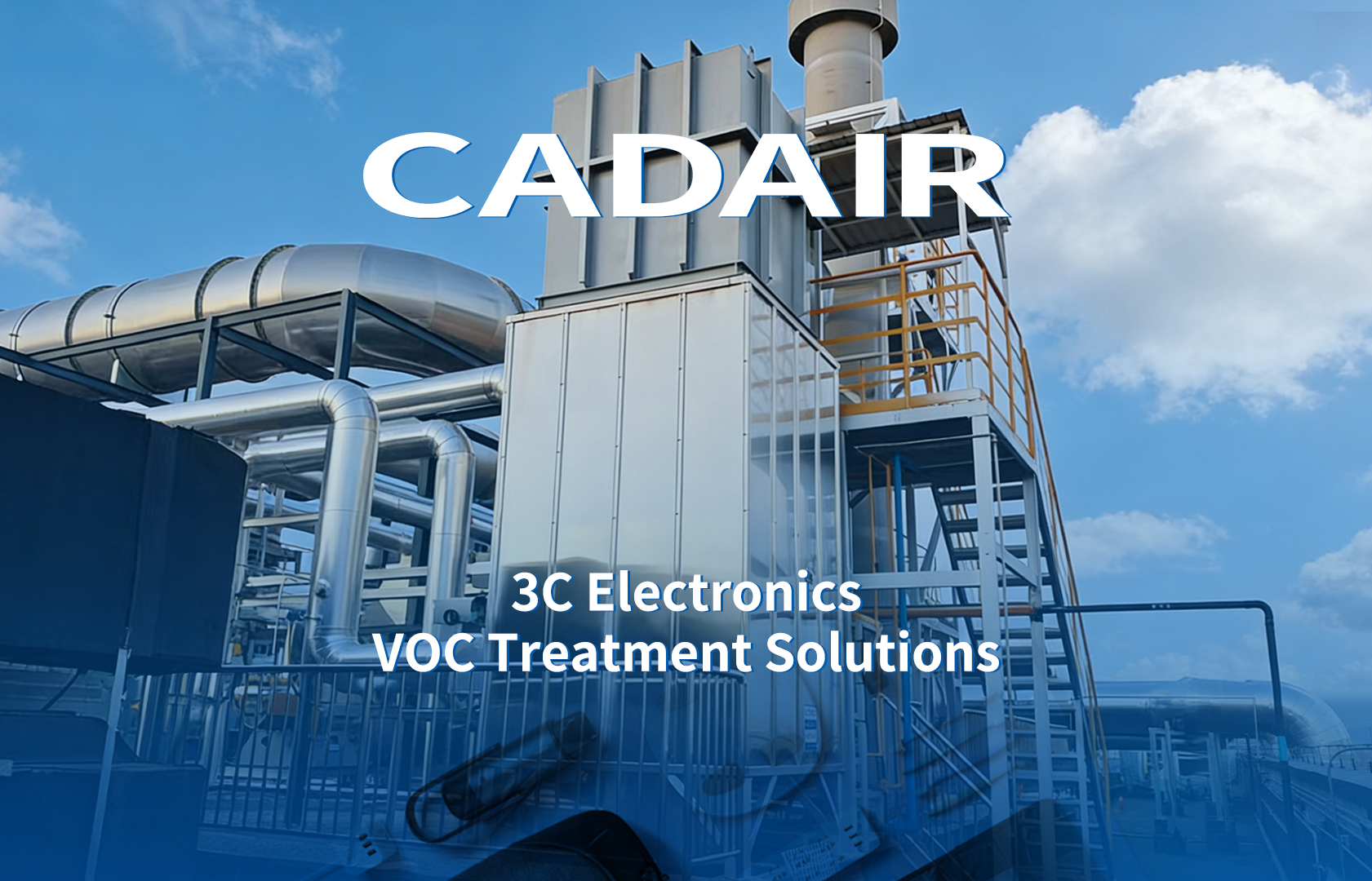
As the 3C electronics manufacturing industry continues to expand globally, VOC emissions from production processes have become an increasingly critical environmental challenge. From semiconductor wafer fabrication to consumer electronics enclosure manufacturing, each production stage generates complex volatile organic compounds (VOCs) with varying concentrations and chemical compositions.
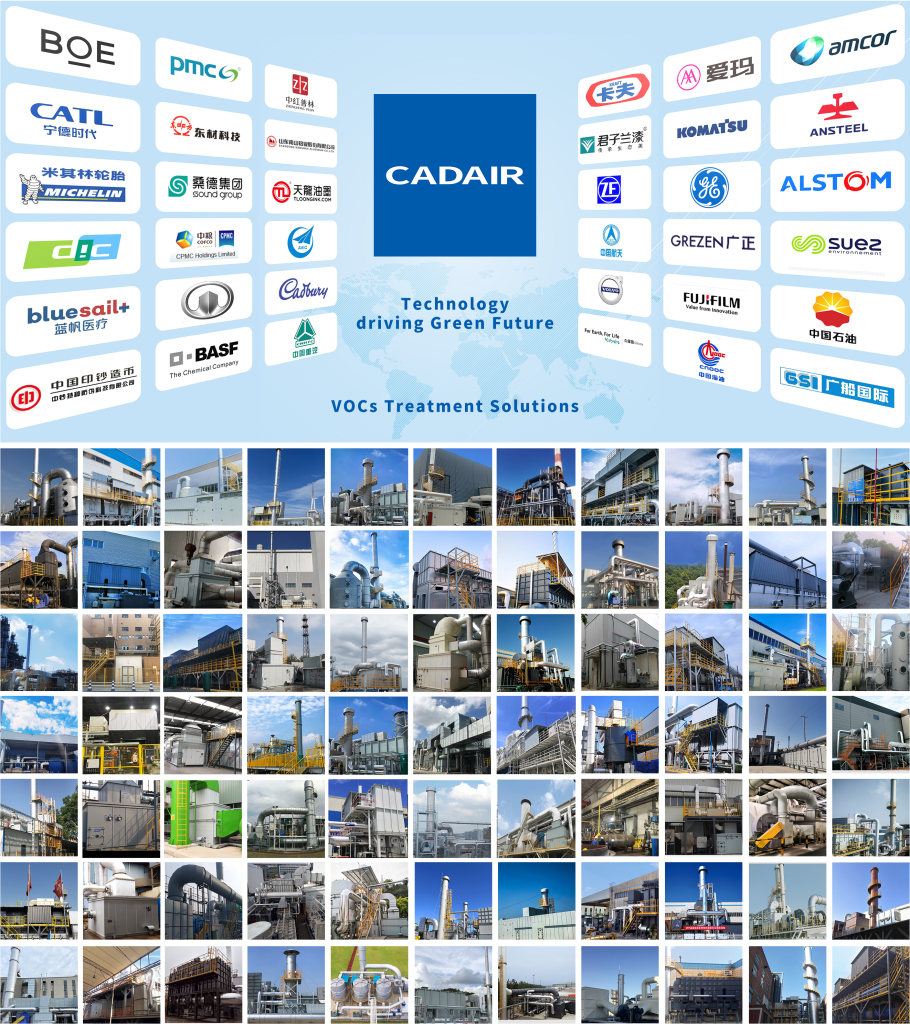
CADAIR has specialized in VOC abatement solutions for the 3C electronics industry for years, serving six major sectors including semiconductors, display panels, PCB manufacturing, lithium batteries, plastic enclosures, and metal structural components. With proven compliance stability and energy-saving performance, CADAIR has become a trusted partner for industrial air pollution control worldwide.
VOC Characteristics in the 3C Electronics Industry
Effective VOC treatment starts with a precise understanding of exhaust gas characteristics. The 3C electronics industry presents several unique challenges:
- Complex VOC compositions
Hundreds of organic solvents are used across different manufacturing processes and industry segments. - High airflow with low VOC concentration
Single production lines often exceed tens of thousands of cubic meters per hour in exhaust airflow. - Wide boiling point range
VOCs range from highly volatile solvents such as acetone to high-boiling-point compounds like NMP. - Nitrogen- and sulfur-containing solvents
These compounds place higher demands on VOC treatment technologies and system durability. - Continuous production requirements
Any downtime in air pollution control systems may result in substantial production and financial losses.
Key Challenges in Electronics Industry VOC Abatement
Traditional VOC treatment systems often struggle to meet the operational demands of modern electronics manufacturing.
1. Significant VOC Concentration Fluctuations
VOC concentrations can vary from several hundred mg/m³ to over 10,000 mg/m³, requiring highly adaptive treatment systems.
2. Stricter Emission Standards
Many industrial parks and local authorities now require non-methane hydrocarbon (NMHC) emissions below 20 mg/m³, significantly stricter than national standards.
3. Rising Energy Costs
Large-airflow VOC treatment systems can create substantial operational expenses if energy efficiency is not optimized.
4. Limited Installation Space
Cleanroom environments and electronics factories often have very limited floor space for environmental equipment installation.
5. Safety and Risk Management
Flammable and toxic solvents such as NMP require advanced safety design, temperature control, and explosion prevention measures.
Recommended VOC Treatment Solutions for 3C Electronics Manufacturing
To address the unique challenges of electronics manufacturing VOC emissions, CADAIR recommends integrated systems centered around:
- Zeolite Rotor Concentrators
- Disc-Type Zeolite Rotor Systems
These technologies can be flexibly combined with downstream treatment systems including:
- TO (Thermal Oxidizer)
- CO (Catalytic Oxidizer)
- RTO (Regenerative Thermal Oxidizer)
| Exhaust Gas Type | Recommended Process | Core Advantages |
|---|---|---|
| Large airflow, low-to-medium concentration | Zeolite Rotor + TO/CO | High concentration ratio (10:1–15:1), significant energy savings |
| High-boiling-point solvents | Disc Rotor + TO | Higher desorption temperature (220–250°C), ideal for NMP and heavy VOCs |
| Mixed solvent streams | Zeolite Rotor + RTO | VOC removal efficiency >99%, thermal efficiency >95% |
| Small airflow, high concentration | Internal Recirculation + RTO | No concentrator required, simplified system, lower operating cost |
Core Technology Advantages
High-Performance Zeolite Rotor Technology
CADAIR’s zeolite concentrators use imported hydrophobic molecular sieve materials with excellent thermal resistance and long-term durability.
Key benefits include:
- Continuous operation up to 200°C
- Over 40% higher adsorption efficiency compared with activated carbon
- Stable performance under fluctuating VOC concentrations
- Reduced maintenance frequency
Three-Bed RTO Design
Compared with conventional two-bed RTO systems, CADAIR’s three-bed RTO technology offers:
- Thermal efficiency exceeding 95%
- More stable continuous operation
- Lower fuel consumption
- Enhanced operational safety
Intelligent Control System
The system automatically adjusts combustion chamber temperatures based on real-time VOC concentration monitoring, minimizing unnecessary fuel consumption and improving overall energy efficiency.
Benchmark Projects Across Six Electronics Manufacturing Sectors
CADAIR has delivered VOC treatment systems for more than 260 customers in the 3C electronics industry.
Semiconductor Industry Project
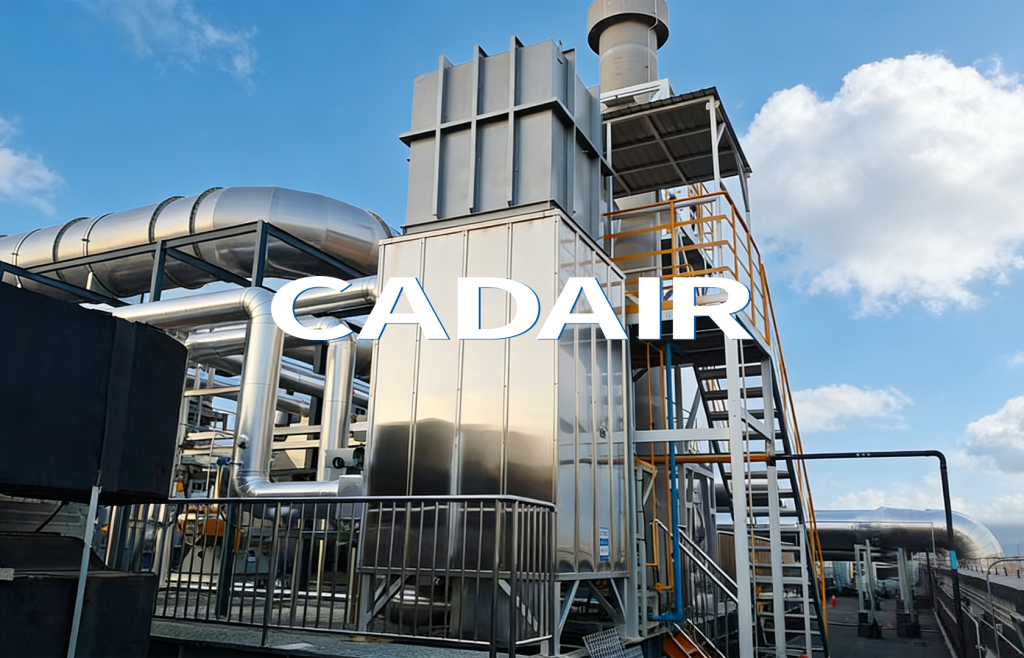
Beijing Rui*** Semiconductor Co., Ltd.
- VOCs: PGMEA, NMP, and other high-boiling-point solvents
- Airflow: 26,400 m³/h
- Solution: Disc Rotor + TO
A benchmark project for semiconductor wafer fabrication VOC treatment.
Display Panel Industry Project
Jing*** Display Panel Plant Upgrade Project
- VOCs: PGMEA, butyl acetate, cyclohexanone
- Airflow: 345,000 m³/h
- Solution: Zeolite Rotor + TO
One of the benchmark VOC treatment projects in the global display panel industry.
PCB Manufacturing Project
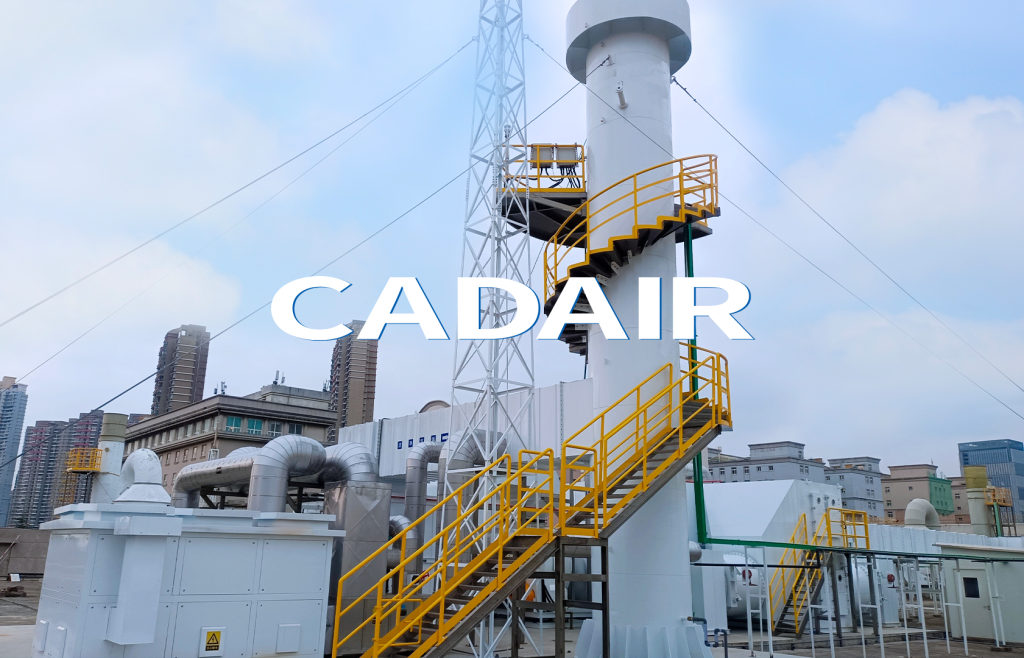
Nan*** Circuit Board Co., Ltd. – Phase III
- VOCs: Dipropylene glycol methyl ether, tetramethylbenzene
- Airflow: 108,000 m³/h
- Solution: Zeolite Rotor + CO
A successful project for a leading global PCB manufacturer.
Lithium Battery Industry Project
Ning*** Co., Ltd.
- VOCs: Benzene, toluene, xylene
- Airflow: 7,000 Nm³/h × 3 systems
- Solution: Zeolite Rotor + CO
A flagship project in the power battery manufacturing sector.
Plastic & Metal Enclosure Manufacturing Project
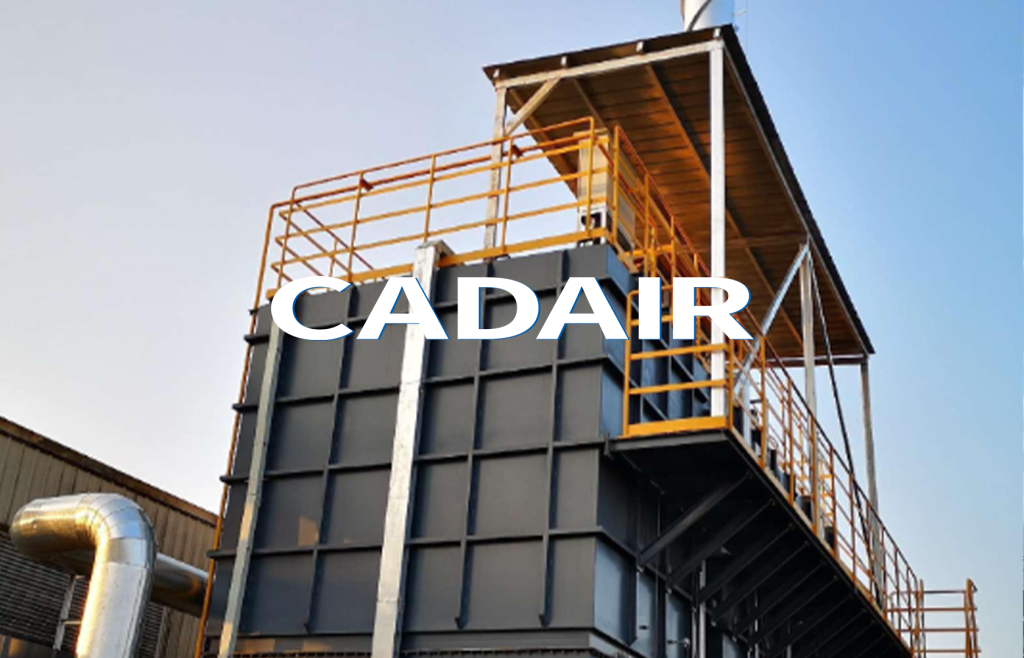
Dongguan Guang*** Co., Ltd. – Phase I & II
- VOCs: Acetone, ethyl acetate, toluene
- Airflow: 12,000 m³/h
- Solution: Internal Recirculation + Three-Bed RTO
Achieved significant reductions in both energy consumption and consumable costs.
FAQ
How Do I Choose the Right VOC Treatment Process for Electronics Manufacturing?
The optimal solution depends on several factors:
- VOC composition
- Concentration levels
- Airflow volume
- Emission requirements
- Available installation space
CADAIR’s engineering team provides free technical evaluations and solution comparisons based on customer VOC analysis reports.
General recommendations include:
- Large airflow + medium/high concentration: Zeolite Rotor + TO/CO
- High-boiling-point solvents: Disc Rotor + TO
- Mixed solvents + strict emission standards: Rotor + RTO
- Small airflow + high concentration: Internal Recirculation + RTO
How Can Long-Term Stable Operation Be Ensured?
CADAIR provides complete lifecycle services including:
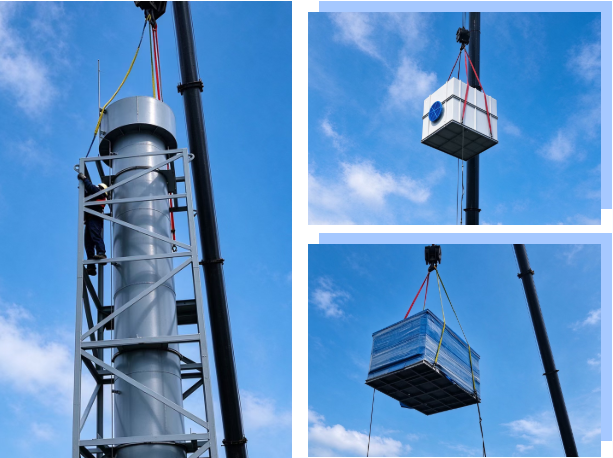
- System design
- Equipment manufacturing
- Installation and commissioning
- Operator training
- Preventive maintenance
Critical components such as:
- Zeolite rotors
- Burners
- Ceramic heat storage media
are sourced from internationally recognized brands.
Additional services include:
- Annual inspections
- Spare parts support
- 24/7 technical response
- Two-year warranty for core components
This ensures stable and reliable long-term system performance.
Why Choose CADAIR?
Choosing CADAIR means choosing:
- Higher VOC removal efficiency
- Lower operating costs
- Greater system reliability
- Long-term emission compliance
CADAIR Official Website is a professional provider of industrial VOC treatment solutions for petrochemical, chemical, and electronics manufacturing industries.
Key qualifications and achievements include:
- Class II Environmental Engineering Contractor Qualification
- National High-Tech Enterprise
- Beijing “Specialized and Innovative” Enterprise
- Core products listed in the National Catalogue of Encouraged Major Environmental Protection Technologies and Equipment (2020 Edition)
- Contributor to industry standard T/CAEPI 31—2021
- 260+ patents, certifications, and industry honors
- RTO thermal efficiency >95%
- VOC purification efficiency >99%
CADAIR continues to help global manufacturers achieve sustainable, compliant, and energy-efficient VOC emission control.