Strict Standards for Clean Air
In the pharmaceutical sector, air quality is not just an environmental issue; it is a critical component of Good Manufacturing Practice (GMP). From Active Pharmaceutical Ingredient (API) synthesis to tablet coating and packaging, the industry generates significant Volatile Organic Compounds (VOCs) like ethanol, acetone, and isopropanol.
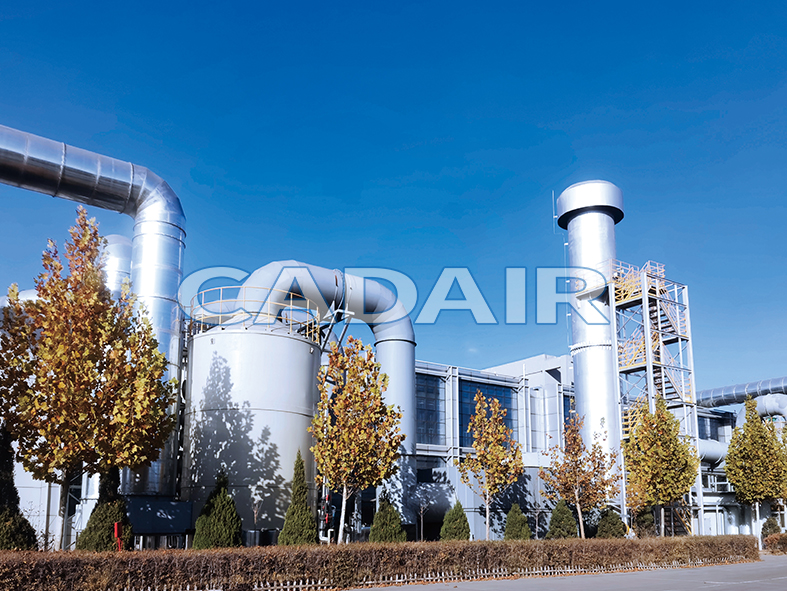
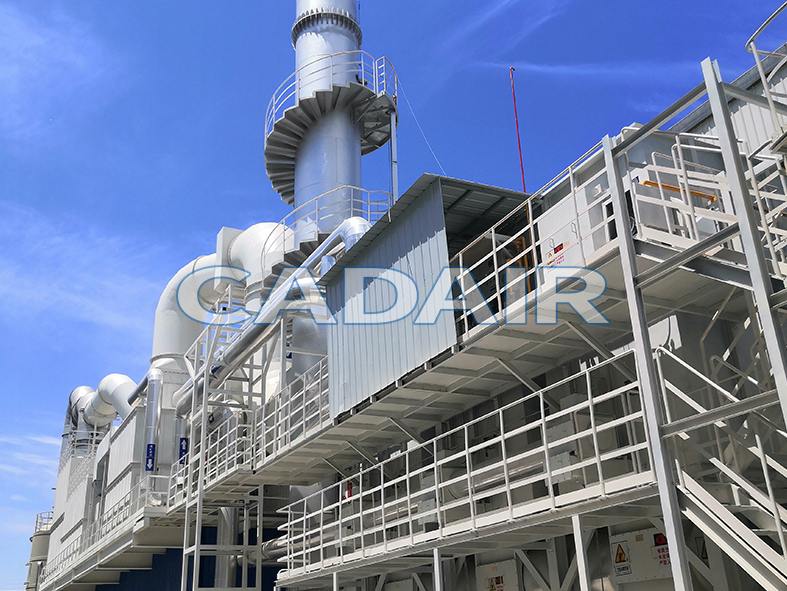
For manufacturers seeking a balance between rigorous compliance and operational cost, the Regenerative Catalytic Oxidizer (RCO) is often the superior choice. At Cadair.net, we specialize in customizing RCO for pharmaceutical industry needs, ensuring stable, continuous compliance.
1. Why RCO is Ideal for Pharmaceutical Manufacturing
Unlike heavy chemical industries, pharmaceutical exhaust streams are often “cleaner” (fewer particulates) but contain valuable solvents. An RCO is perfectly suited for this profile:
- Low-Temperature Operation: RCOs oxidize VOCs at 300°C–400°C (compared to 800°C for an RTO). This is safer for facilities handling flammable solvents and significantly reduces natural gas consumption.
- Handling Intermittent Batches: Pharmaceutical production often runs in batches. The ceramic heat recovery beds in our RCO systems retain heat effectively during short pauses, allowing for quick, energy-efficient restarts.
- No Secondary Pollution: The catalytic process ensures complete destruction without creating thermal NOx, aligning with the industry’s green goals.
Explore ourRegenerative Catalytic Oxidizer (RCO)specifications.
2. Key Applications in the Pharma Process
Our Environmental Protection Equipment is engineered for specific stages of drug manufacturing:
- Tablet Coating: The coating process releases large volumes of alcohols and ketones. An RCO effectively destroys these VOCs with minimal fuel usage.
- Packaging & Printing: Blister packaging lines often use solvent-based inks. An RCO ensures the printing exhaust meets emission standards.
- Synthesis Labs: For non-halogenated vent gases, RCO provides a compact, high-efficiency destruction method.
3. RCO vs. RTO: Making the Right Choice for Pharma
While searching for RCO for pharmaceutical industry, you may also consider a Regenerative Thermal Oxidizer (RTO).
- Choose RCO if your exhaust contains non-halogenated solvents (Ethanol, IPA) and you want maximum energy savings.
- Choose RTO if your process involves chlorinated solvents (Methylene Chloride) or high sulfur content, which could poison the RCO catalyst.
Cadair’s engineering team will analyze your solvent list to recommend the safest technology.
Conclusion: Your Partner in Compliance
Regulatory pressure on the pharmaceutical industry is intensifying. Don’t risk downtime or fines. Choose a Waste gas treatment equipment partner who understands the nuances of pharma manufacturing.
Cadair delivers validated, high-performance RCO systems that protect both the environment and your bottom line.
Request a Pharma Application Note Need case studies or a technical proposal? Contact us today.