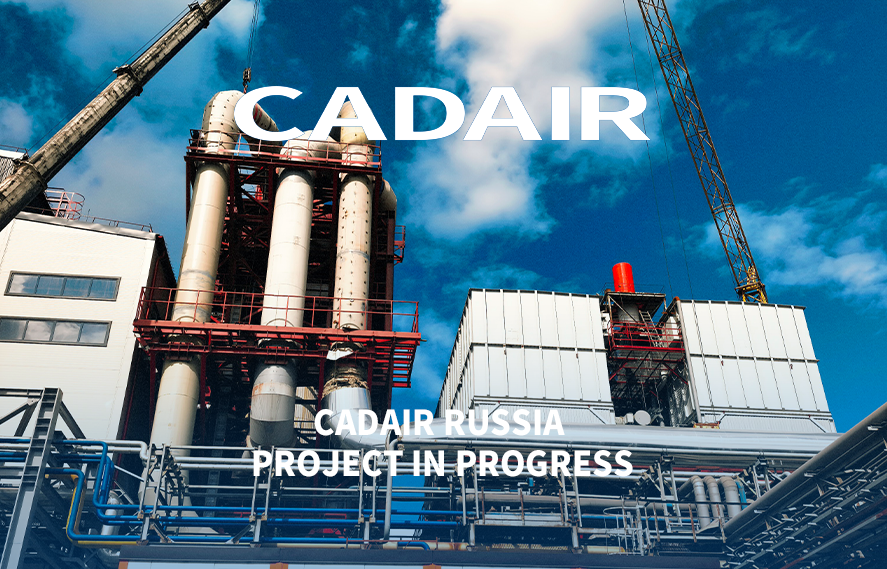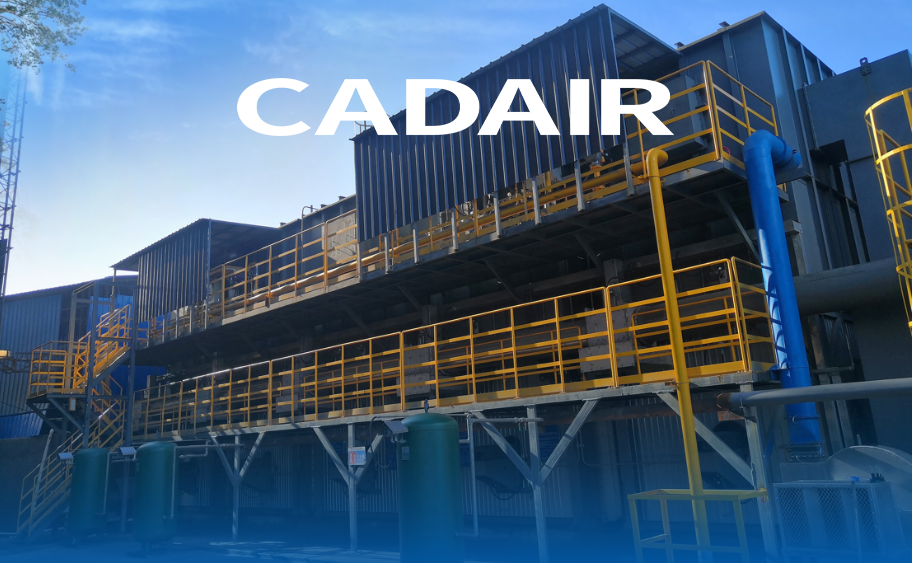
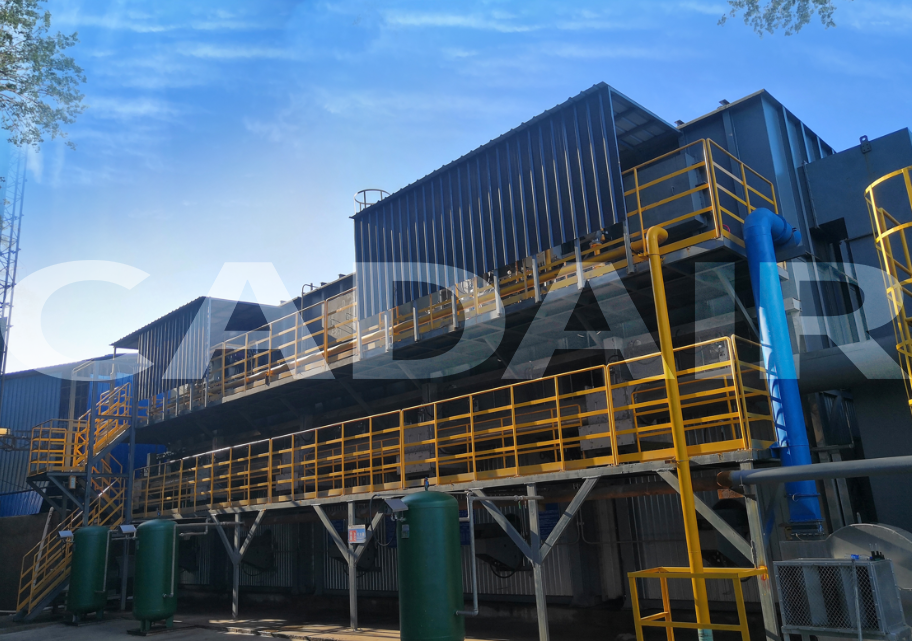
Hazardous waste disposal enterprises generate process tail gas dominated by carbon monoxide during production in vertical furnaces and smelting furnaces. Such exhaust gas features drastic working condition fluctuations and strict emission standards, posing a common treatment challenge across the industry. The Guangdong Jinyu Environmental Project located in Heyuan, Guangdong, has deployed a complete tail gas treatment system. It has operated smoothly for more than 1,300 days since acceptance and commissioning, consistently meeting current environmental protection specifications.
I. Basic Working Conditions of the Project
The total exhaust gas treatment air volume of this project is 110,000 Nm³/h. The exhaust gas mainly originates from the production processes of vertical furnaces and smelting furnaces, with carbon monoxide (CO) as the core pollutant. Emissions shall comply with the Standard for Pollution Control on Hazardous Waste Incineration (GB 18484-2020) in China, which imposes clear constraints on pollutant removal efficiency and flue gas emission indicators.
II. Complete Treatment Process Flow
Combined with the exhaust gas composition and working condition characteristics, the project adopts a combined process of multi-stage pretreatment + 5-chamber RTO high-temperature oxidation + SCR denitrification to treat pollutants hierarchically throughout the whole process:
Total collected tail gas → Limestone-gypsum wet desulfurization → Wet electrostatic precipitator → Plate heat exchanger → Booster fan → 5-chamber regenerative thermal oxidizer (5-chamber RTO) → SCR denitrification → Exhaust stack
Front-end Pretreatment
Desulfurization, dust removal and temperature regulation are carried out in sequence to remove acidic substances and dust, stabilize intake parameters, reduce the impact of impurities on core equipment, and extend the service life of equipment.
Core Treatment Unit
Relying on 5-chamber RTO high-temperature oxidation technology, the exhaust gas is heated to the specified temperature to realize harmless decomposition of harmful components such as CO. The heat recovery efficiency of the equipment reaches over 95%. The multi-chamber structure can adapt to production working conditions with fluctuating air volume and concentration to ensure stable treatment performance.
End-stage Advanced Treatment
Flue gas treated by RTO enters the SCR denitrification unit for further removal of nitrogen oxides, realizing collaborative control of multiple pollutants.
III. Project Operation Performance
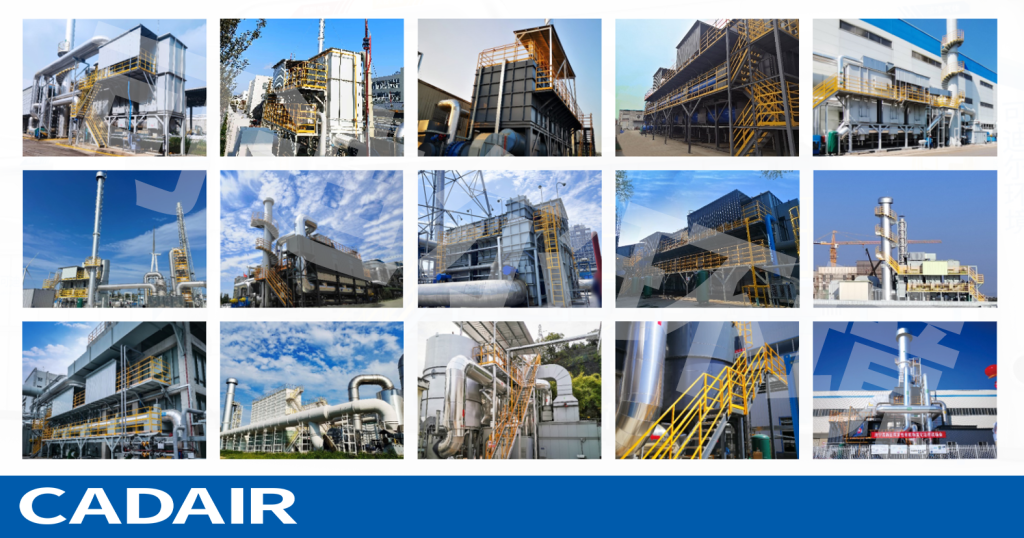
Since the commissioning of the complete system, all emission indicators have stably met GB 18484-2020 and relevant specifications. The equipment operates steadily with few unplanned shutdowns, which not only matches the enterprise’s continuous production demands but also successfully passes multiple rounds of environmental inspections. This process scheme is well adaptable to high-air-volume hazardous waste smelting exhaust gas with obvious working condition fluctuations, and can serve as a practical reference for similar enterprises.