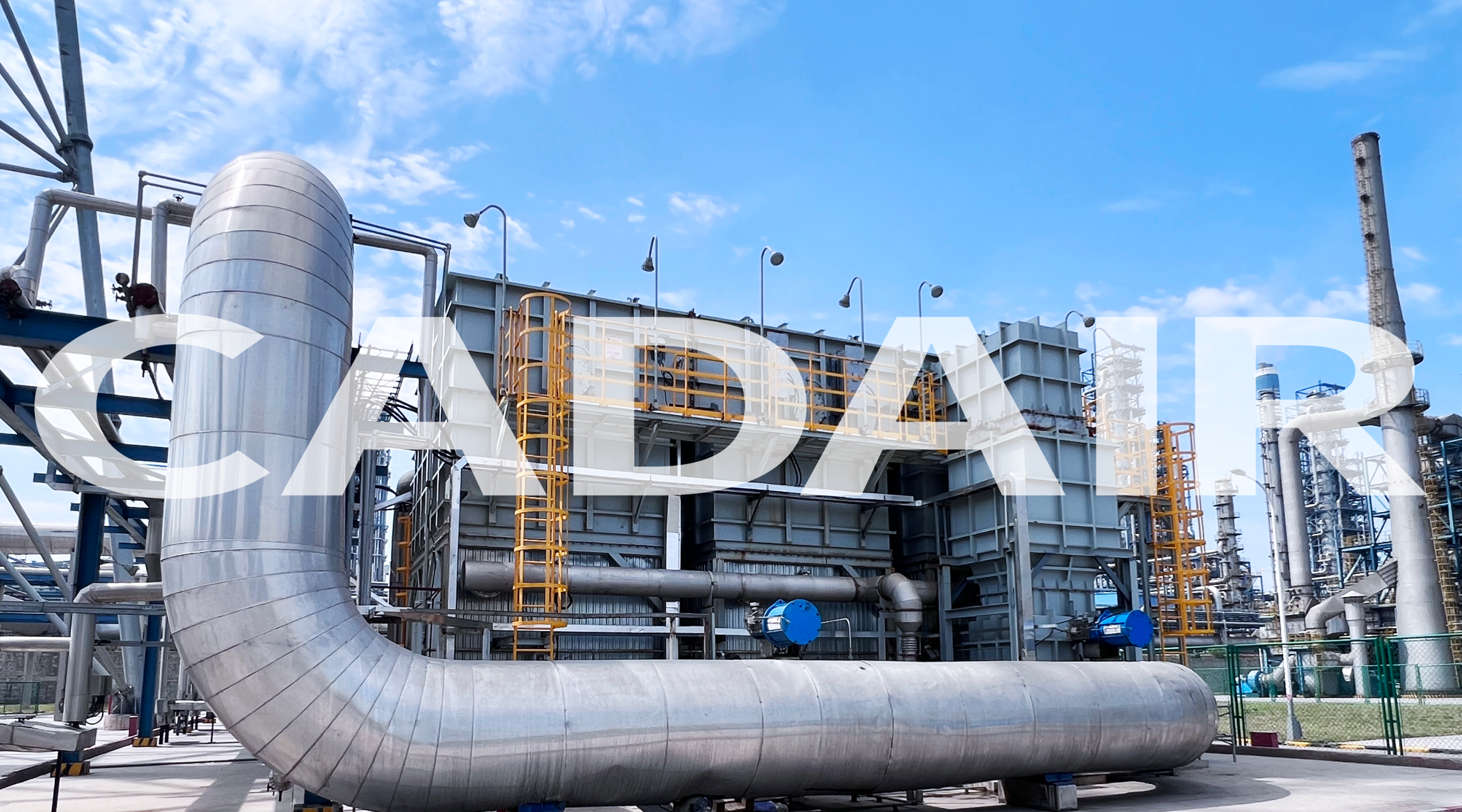
Analysis of CADAIR Three‑Bed RCO Solution
80,000 m³/h Three‑Bed RCO|Lu’an (Shanxi) Project Successfully accepted, stably operated for nearly 1000+ days under this project’s working conditions
In coal‑chemical industry, Fischer‑Tropsch (F‑T) synthesis converts coal‑gasified syngas (CO+H₂) into oil & chemical products. Its tail‑gas decarbonization section discharges large‑volume low‑concentration VOC waste gas containing CO, H₂, CH₄, olefins, CO₂ and non‑methane total hydrocarbons.
Though seemingly easy to handle, the waste gas features huge air volume, complex components, concentration fluctuation and flammable ingredients. Poor design or catalyst selection will cause catalyst sintering‑deactivation, excessive emissions and unstable operation. This article introduces CADAIR’s field experience, analyzing treatment challenges, technical schemes and project references.
Source of F‑T Synthesis Decarbonization Waste Gas
Shift gas goes through Rectisol decarbonization‑desulfurization and zinc‑oxide fine desulfurization before entering F‑T reactors. After reaction, heat exchange, cooling and gas‑liquid separation, partial gas recirculates to the reactor; the rest flows to decarbonization unit and generates VOC‑laden waste gas.
Waste gas characteristics
- Large air volume: Single‑unit tail‑gas flow: tens of thousands ~ 100,000+ Nm³/h
- Flammable complex components: CO, H₂, CH₄, olefins; explosion risk at high concentration
- Medium‑low concentration: 1,000‑3,200 mg/m³
- Temperature variation with water & oil mist: Requires anti‑corrosion and pretreatment
Core challenge: Achieve compliant, safe and cost‑effective operation under large air volume, flammable components and fluctuating concentration.
Typical Case: Lu’an Coal‑Chemical Project (Changzhi, Shanxi)
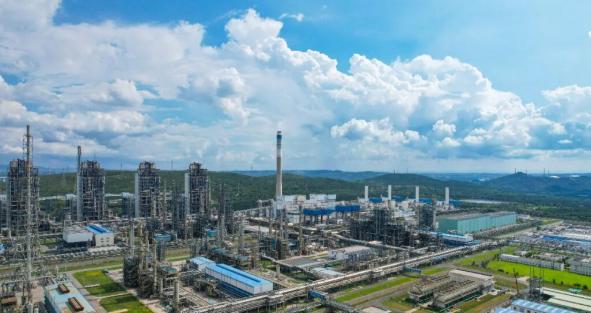
- Waste‑gas flow: 80,000 Nm³/h
- Pollutants: CO, H₂, CH₄, olefins, CO₂, non‑methane total hydrocarbons
- Concentration range: 1,000‑3,200 mg/m³
- Treatment technology: Three‑Bed RCO (Regenerative Catalytic Oxidation)
- Compliance standard: GB 31571‑2015 Emission Standard of Pollutants for Petroleum Chemical Industry
- Overall removal efficiency: ≥98% under this project’s working conditions
This large‑air‑volume case sets high requirements for equipment capacity, heat recovery and safety control.
Key Limits of GB 31571‑2015
- NMHC: 120 mg/m³ (core control index)
- Particulate matter: 20 mg/m³
- SO₂: 50 mg/m³
- NOₓ: 100 mg/m³
- Benzene: 4 mg/m³ (carcinogen)
- Toluene / Xylene: 30 mg/m³
The standard also specifies emission rate, monitoring position and fugitive emission requirements. Stable efficiency relies on proper process design and catalyst selection.
Process Upgrade: From Two‑Bed RCO to Three‑Bed RCO
Pre‑retrofit Pain Points: Mismatched Two‑Bed RCO after Capacity Expansion
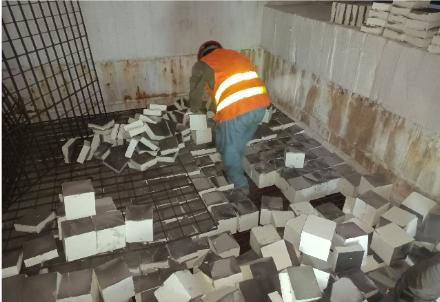
After capacity expansion, waste‑gas flow rose from 45,000 Nm³/h to 80,000 Nm³/h with higher pollutant concentration. The original two‑bed RCO could no longer adapt:
- Precious‑metal catalyst deactivation: Difficult to keep chamber temperature below 500 ℃, leading to sintering and high replacement cost.
- Emission non‑compliance risk: Insufficient heat recovery & residence time for increased VOC loads.
- Poor stability: Frequent switching causes heavy pressure‑drop fluctuation, unfit for continuous large‑volume operation.
Solution: Three‑Bed RCO
Working principle
- Cycle 1: Waste gas preheated in Chamber A; oxidized at ~450 ℃; purified gas releases heat via Chamber B; Chamber C purges.
- Cycle 2: Waste gas enters Chamber B; exhaust through Chamber C; Chamber A purges.
- Cycle 3: Waste gas enters Chamber C; exhaust through Chamber A; Chamber B purges.
Alternating cycles realize high‑efficiency heat recovery and stable compliant discharge.
Three core advantages vs two‑bed RCO
- Higher heat‑recovery efficiency: Longer complete heat‑storage & heat‑release cycles for each bed.
- Extended catalyst service life: Stable chamber temperature kept at 400‑450 ℃ protects catalysts.
- Smoother operation: Reduced load shock, lower pressure‑drop & temperature fluctuation, suitable for 80,000 Nm³/h continuous operation.
The Lu’an project has passed acceptance and run stably for nearly 1000+ days under project‑specific conditions. It validates three‑bed RCO’s long‑term reliability and economy for large‑volume F‑T tail‑gas treatment and demonstrates CADAIR’s relevant engineering competence.
Conclusion
For F‑T decarbonization waste gas, the main difficulty lies in large air volume, flammable components and working‑condition fluctuation, not pollutant concentration. For 80,000 Nm³/h waste gas containing CO, H₂ and CH₄, long‑term safe & compliant performance depends on matched process routes, safety‑oriented catalyst design and large‑air‑volume control.
Following the philosophy of full‑process coverage & flexible multi‑process combination, CADAIR delivers one‑stop waste‑gas solutions: process analysis → waste‑gas characterization → technical route selection → system design → construction → compliant operation. We support coal‑chemical enterprises for green low‑carbon high‑quality development.
This article is technically supported by CADAIR. If you have F‑T synthesis decarbonization waste‑gas treatment demands, please contact CADAIR for site survey and customized solutions.