Defining Regenerative Thermal Oxidation
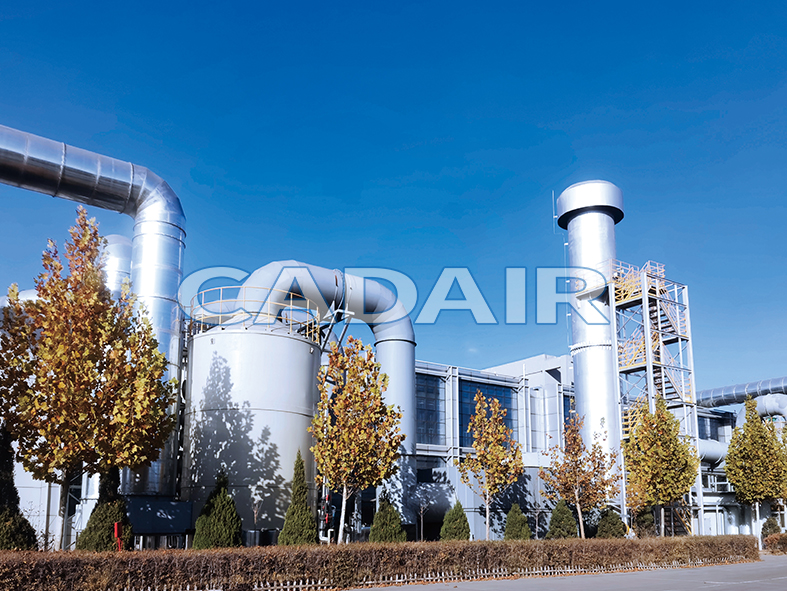
Regenerative thermal oxidation (commonly known as RTO) is the most energy-efficient technology available today for the control of Volatile Organic Compounds (VOCs) and Hazardous Air Pollutants (HAPs).
Unlike traditional incineration, which requires constant fuel input, regenerative thermal oxidation utilizes a system of ceramic heat exchangers to recover up to 95% of the thermal energy generated during combustion. At ABOUT US, we specialize in engineering these systems to turn your hazardous waste gas into a self-sustaining energy source.
1. How Regenerative Thermal Oxidation Works
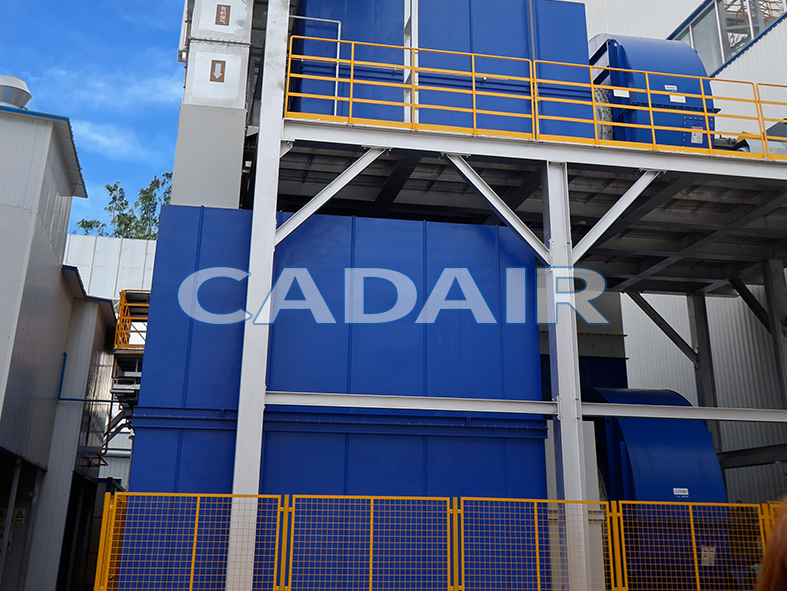
The efficiency of this technology lies in its cyclic operation. A standard system consists of two or three towers filled with ceramic media.
- Inlet Cycle: VOC-laden air passes up through a hot ceramic bed. The air is pre-heated to near-combustion temperatures before it even reaches the burner.
- Oxidation: The air enters the combustion chamber (approx. 800°C–850°C), where VOCs are oxidized into CO2 and H2O.
- Outlet Cycle: The clean, hot gas passes down through a second ceramic bed, transferring its heat to the media. This stored heat is then used to pre-heat the next cycle of incoming air.
This process allows regenerative thermal oxidation to operate with little to no natural gas when VOC concentrations exceed 3-4%.
View detailed specs:RTO
2. Why It Outperforms Other Methods
When comparing regenerative thermal oxidation to other abatement strategies, the advantages are clear:
- vs. Direct Fired Thermal Oxidizers (TO): A TO has no heat recovery. An RTO uses 95% less fuel.See the difference: TO/MS-DFTO
- vs. Catalytic Oxidation: While catalytic systems run cooler, RTOs are more robust. They are not susceptible to “catalyst poisoning” from silicone or sulfur, making them more durable for complex industrial streams.Compare with: RCO
3. Industrial Applications
Regenerative thermal oxidation is the preferred choice for industries with high-volume airflow and low-to-medium VOC concentrations:
- Automotive Painting: Handling large volumes of solvent exhaust.Application: Automobile & Parts Manufacturing
- Chemical Processing: Destroying varied organic vents.Application: Petrochemical / Coal Chemical
- Printing & Packaging: Managing ethanol and acetate emissions.Application: Packaging Printing / Coating
Conclusion: Invest in Sustainable Compliance
Implementing regenerative thermal oxidation reduces your carbon footprint and your operating costs simultaneously. Trust Cadair to deliver a system engineered for longevity.
Get an RTO Feasibility Analysis Contact our engineering team to simulate the thermal balance for your facility.