Understand the science of regenerative thermal oxidation. Cadair.net
explains how this high-efficiency technology destroys VOCs using ceramic heat recovery. Explore our advanced RTO systems designed for global industries.
Defining Regenerative Thermal Oxidation
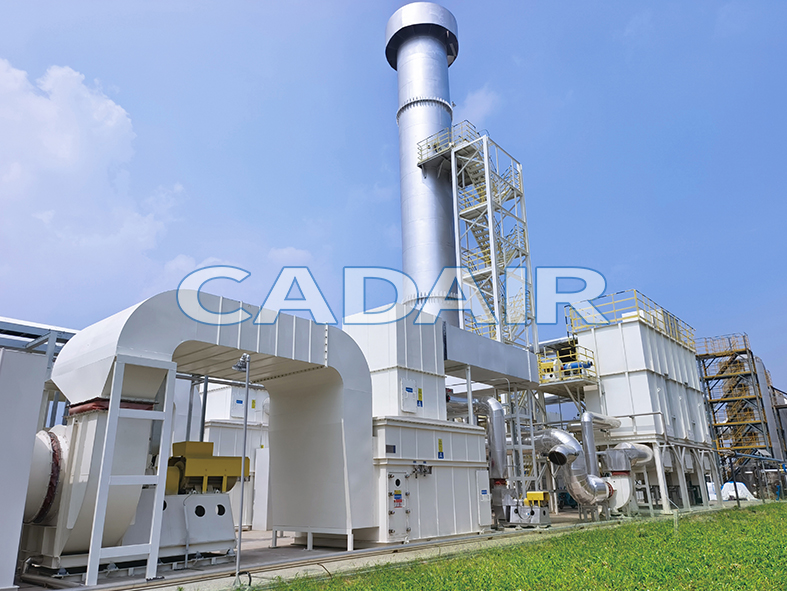
Regenerative thermal oxidation (commonly known as RTO) is the most energy-efficient technology available today for the control of Volatile Organic Compounds (VOCs) and Hazardous Air Pollutants (HAPs).
Unlike traditional incineration, which requires constant fuel input, regenerative thermal oxidation utilizes a system of ceramic heat exchangers to recover up to 95% of the thermal energy generated during combustion. At ABOUT US, we specialize in engineering these systems to turn your hazardous waste gas into a self-sustaining energy source.
1. How Regenerative Thermal Oxidation Works
The efficiency of this technology lies in its cyclic operation. A standard system consists of two or three towers filled with ceramic media.
- Inlet Cycle: VOC-laden air passes up through a hot ceramic bed. The air is pre-heated to near-combustion temperatures before it even reaches the burner.
- Oxidation: The air enters the combustion chamber (approx. 800°C–850°C), where VOCs are oxidized into CO2 and H2O.
- Outlet Cycle: The clean, hot gas passes down through a second ceramic bed, transferring its heat to the media. This stored heat is then used to pre-heat the next cycle of incoming air.
This process allows regenerative thermal oxidation to operate with little to no natural gas when VOC concentrations exceed 3-4%.
View detailed specs:RTO
2. Why It Outperforms Other Methods
When comparing regenerative thermal oxidation to other abatement strategies, the advantages are clear:
- vs. Direct Fired Thermal Oxidizers (TO): A TO has no heat recovery. An RTO uses 95% less fuel.See the difference: TO/MS-DFTO
- vs. Catalytic Oxidation: While catalytic systems run cooler, RTOs are more robust. They are not susceptible to “catalyst poisoning” from silicone or sulfur, making them more durable for complex industrial streams.Compare with: RCO
3. Industrial Applications
Regenerative thermal oxidation is the preferred choice for industries with high-volume airflow and low-to-medium VOC concentrations:
- Automotive Painting: Handling large volumes of solvent exhaust.Application: Automobile & Parts Manufacturing
- Chemical Processing: Destroying varied organic vents.Application: Petrochemical / Coal Chemical
- Printing & Packaging: Managing ethanol and acetate emissions.Application: Packaging Printing / Coating
Conclusion: Invest in Sustainable Compliance
Implementing regenerative thermal oxidation reduces your carbon footprint and your operating costs simultaneously. Trust Cadair to deliver a system engineered for longevity.
Get an RTO Feasibility Analysis Contact our engineering team to simulate the thermal balance for your facility.