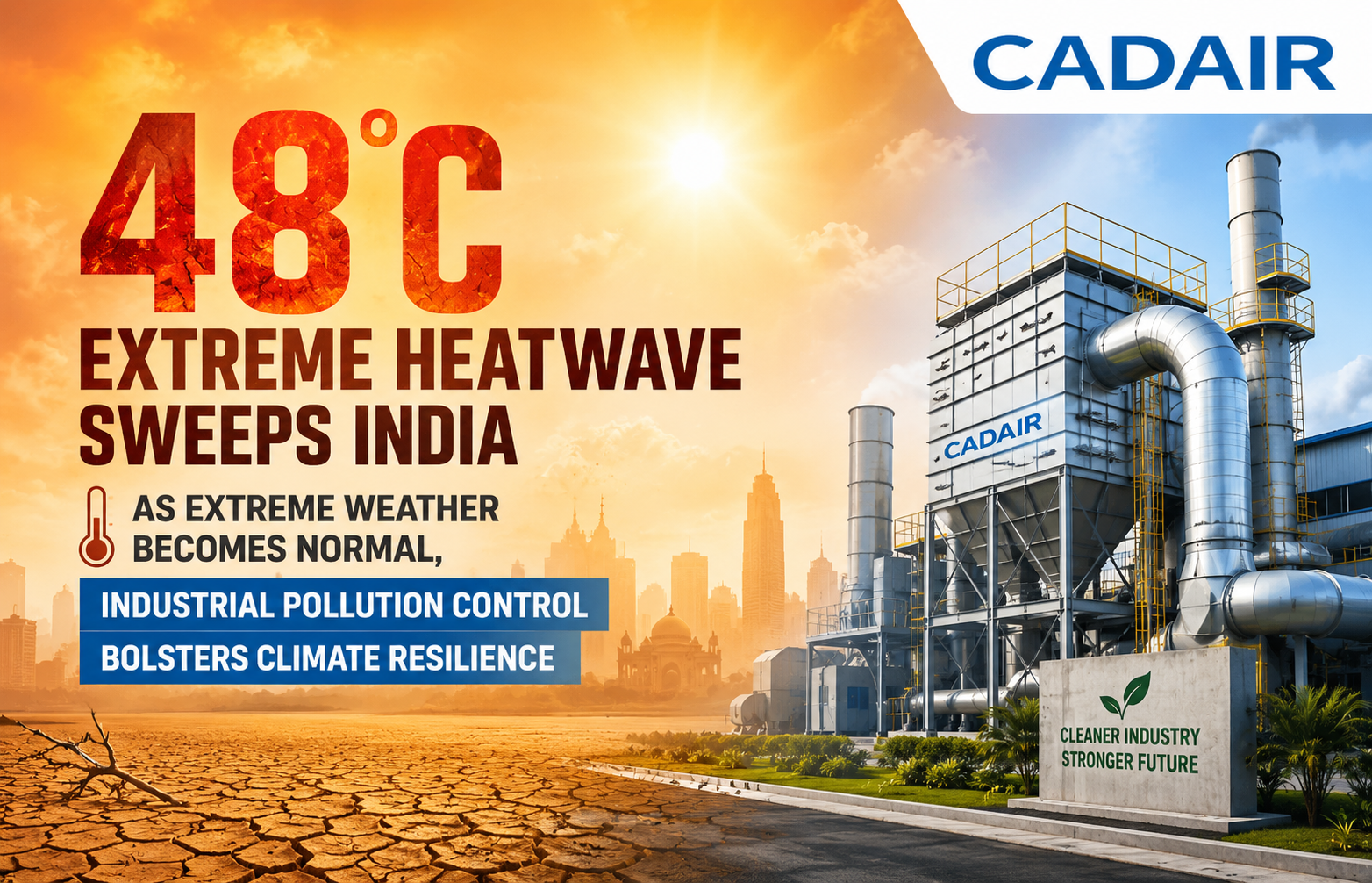
I. 48°C Extreme Heatwave Hits India, Breaking Century-Old Climate Records
In May 2026, a record-breaking extreme heatwave swept across India. The catastrophic high-temperature scenario went viral globally, drawing worldwide attention to climate and environmental issues.
According to China Central Television (CCTV) news, temperatures in Banda, Uttar Pradesh, India, surged to 48.2°C, breaking the region’s 75-year maximum temperature record dating back to 1951. In addition, multiple key areas including Delhi and Rajasthan have consecutively issued extreme heat red alerts. The surface temperature in some regions has even exceeded 50°C, bringing unprecedented sweltering weather.
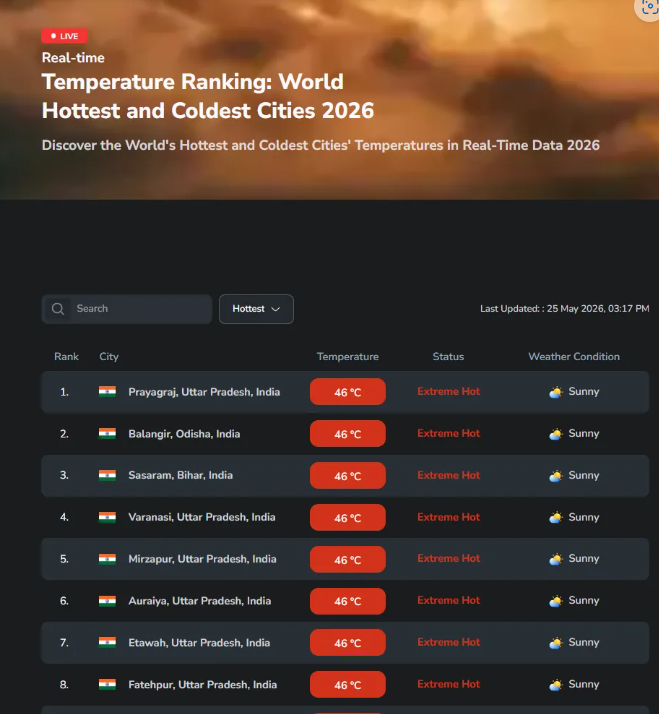
Real-time global temperature monitoring data shows that most of the world’s hottest cities are concentrated in India and its surrounding areas. This large-scale, high-intensity, long-duration heatwave has completely broken regional climate norms, laying bare the severity of the global climate crisis to the public.

II. Global Surge in Extreme Weather: Climate Anomalies Become the New Normal
People familiar with South Asian climate know that April to June is traditionally the hottest period in India. However, dramatic changes have taken place in recent years. Worldwide, extreme heatwaves, torrential rains and prolonged droughts occur alternately with rising frequency, intensity and coverage. Rare extreme climate events that once happened once in decades have now become thenew climate normal, profoundly affecting global ecosystems and human production and life.
From recurring summer heatwaves in Europe and rampant wildfires in North America to abnormal high temperatures across Asia, the global climate system is undergoing drastic fluctuations and imbalance.
TheWorld Meteorological Organization (WMO) and the Intergovernmental Panel on Climate Change (IPCC) have repeatedly warned that against the backdrop of global warming, the probability, duration and impact of extreme heat events are steadily rising, leading to escalating climate risks.
III. Widespread Heat Hazards: Superimposed Factors Aggravate Environmental Crisis
The harms of climate change are no longer limited to rising temperatures. They have penetrated all aspects of social development, people’s livelihood and industrial production, triggering cascading negative crises.
Sustained extreme heat drastically increases urban power load and easily causes power shortages and outages. It also severely disrupts agricultural production, resulting in crop yield reduction and soil moisture deterioration, threatening regional food and water security. For public health, extreme heat raises the risk of heatstroke and exacerbates respiratory and cardiovascular diseases, endangering human health.
Especially in densely populated megacities, extreme heat combined with high humidity, air pollution and urban heat island effect forms a deadly “sweltering stew mode”. The perceived temperature far exceeds the actual monitored temperature, worsening urban living environments.
IV. Air Pollution: The Invisible Accelerator of Extreme Heat
Amid this global climate crisis, the superimposed impact of air pollution has attracted widespread attention from industries and the public.
Objectively, air pollution is not the root cause of heatwaves, and global warming remains the core driver of frequent extreme climates. Nevertheless, numerous meteorological and environmental studies confirm that various anthropogenic pollutant emissions continuously deteriorate local climates, acting as a critical accelerator for extreme heat.
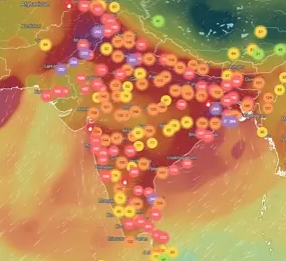
Industrial exhaust emissions, vehicle exhaust, Volatile Organic Compounds (VOCs) and suspended particulate matter disturb local atmospheric and urban thermal environments, making heatwaves longer, hotter and more destructive.
Specifically, ozone pollution and aerosol pollutants not only degrade air quality, but also disrupt near-surface atmospheric circulation, hinder convective heat dissipation and intensify urban swelter. Meanwhile, densely built structures, heat-absorbing roads and industrial waste heat further amplify the urban heat island effect. Heat accumulated during the day cannot dissipate at night, resulting in round-the-clock persistent high temperatures.
V. Upgraded Environmental Awareness: Pollution Control Defends Against Climate Risks
As extreme weather becomes normalized, public and industrial perceptions of environmental governance have been comprehensively upgraded.
In the past, environmental protection was mainly regarded as a way to improve air quality, reduce emissions and protect ecosystems. Today, green and low-carbon development and regular pollution control have become core global measures to address climate change and mitigate extreme disasters.
From energy structure optimization and industrial energy conservation and emission reduction to comprehensive pollution management and green manufacturing upgrading, an increasing number of enterprises have realized that environmental protection is more than regulatory compliance — it is a fundamental capability for long-termsustainable development.
VI. Industrial VOCs Treatment: Core Starting Point for Green Transition
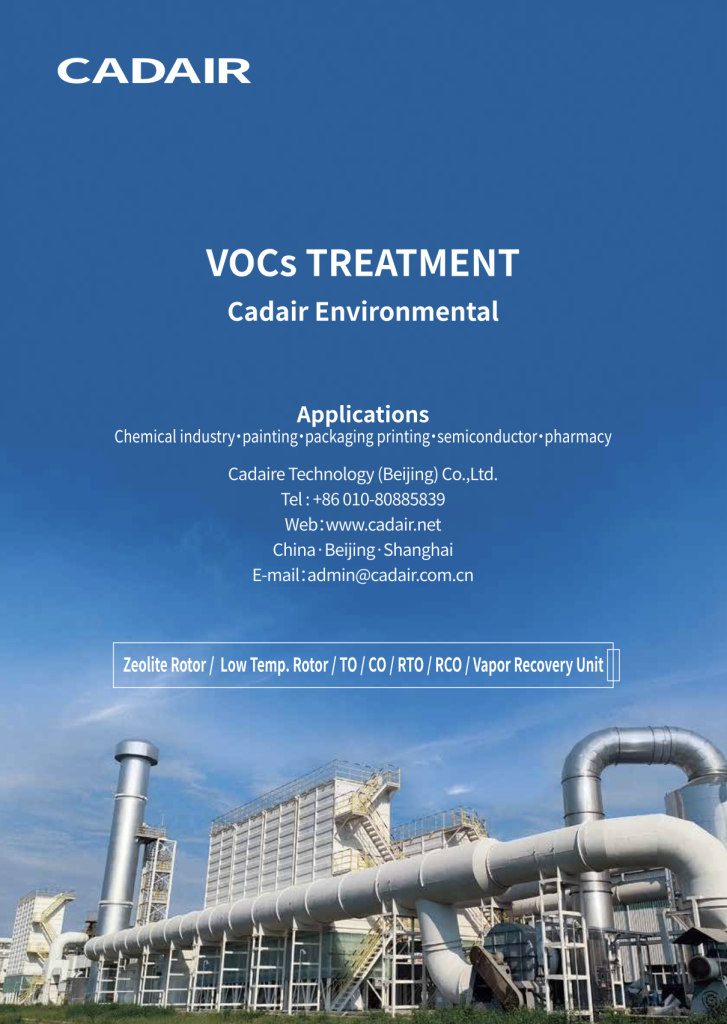
In the wave of industrial green transformation, industrial VOCs and organic waste gas treatment has become increasingly critical and a core focus of industrial environmental protection.
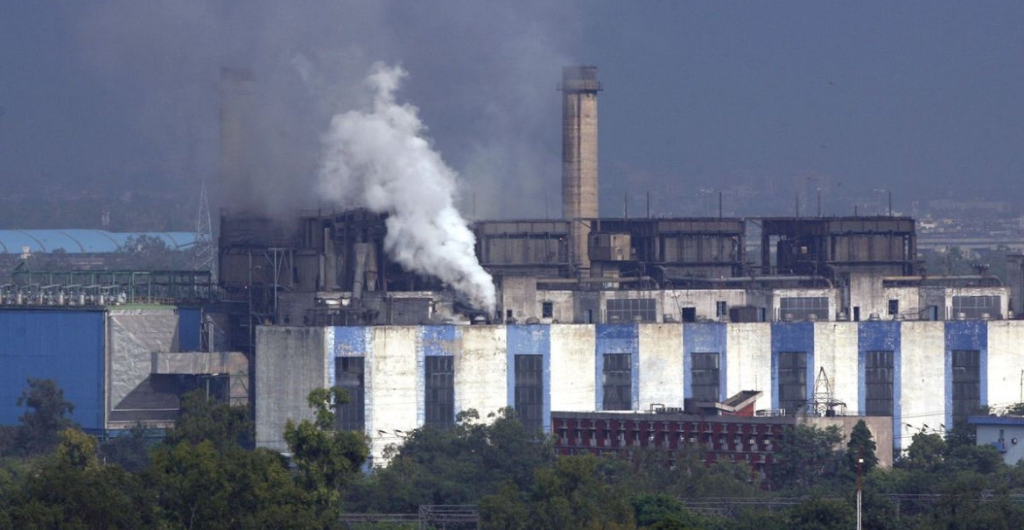
Spraying, chemical processing, electronic manufacturing, packaging and printing, rubber and plastics and other traditional manufacturing industries generate organic waste gas and volatile pollutants during daily operations. Without complete collection systems and professional treatment equipment, unregulated exhaust diffusion pollutes factory and surrounding air, deteriorates working environments, aggravates regional ozone pollution and particulate accumulation, indirectly drives local temperature rises and worsens climate imbalance.
As domestic environmental supervision standards become refined and standardized, green production systems are widely implemented. More manufacturers take the initiative to upgrade waste gas treatment equipment, optimize environmental management systems and control pollution emissions at the source to practice green development concepts.
Industry consensus acknowledges that industrial pollution control cannot reverse the general trend of global climate change independently. However, it is essential for improving regional air quality, cutting anthropogenic emissions and relieving local climate pressure. Compared with irreversible global climate trends, industrial emission reduction, energy conservation and standardized pollution management are the most feasible, sustainable and effective ways to improve the environment.
Driven by market demands, the domestic industrial waste gas treatment industry is phasing out extensive governance models and moving towardrefined, systematic and customized solutions to adapt to complex working conditions across diverse industries.
VII. Cadair: Custom Industrial Waste Gas Treatment Solutions Empower Enterprise Green Development
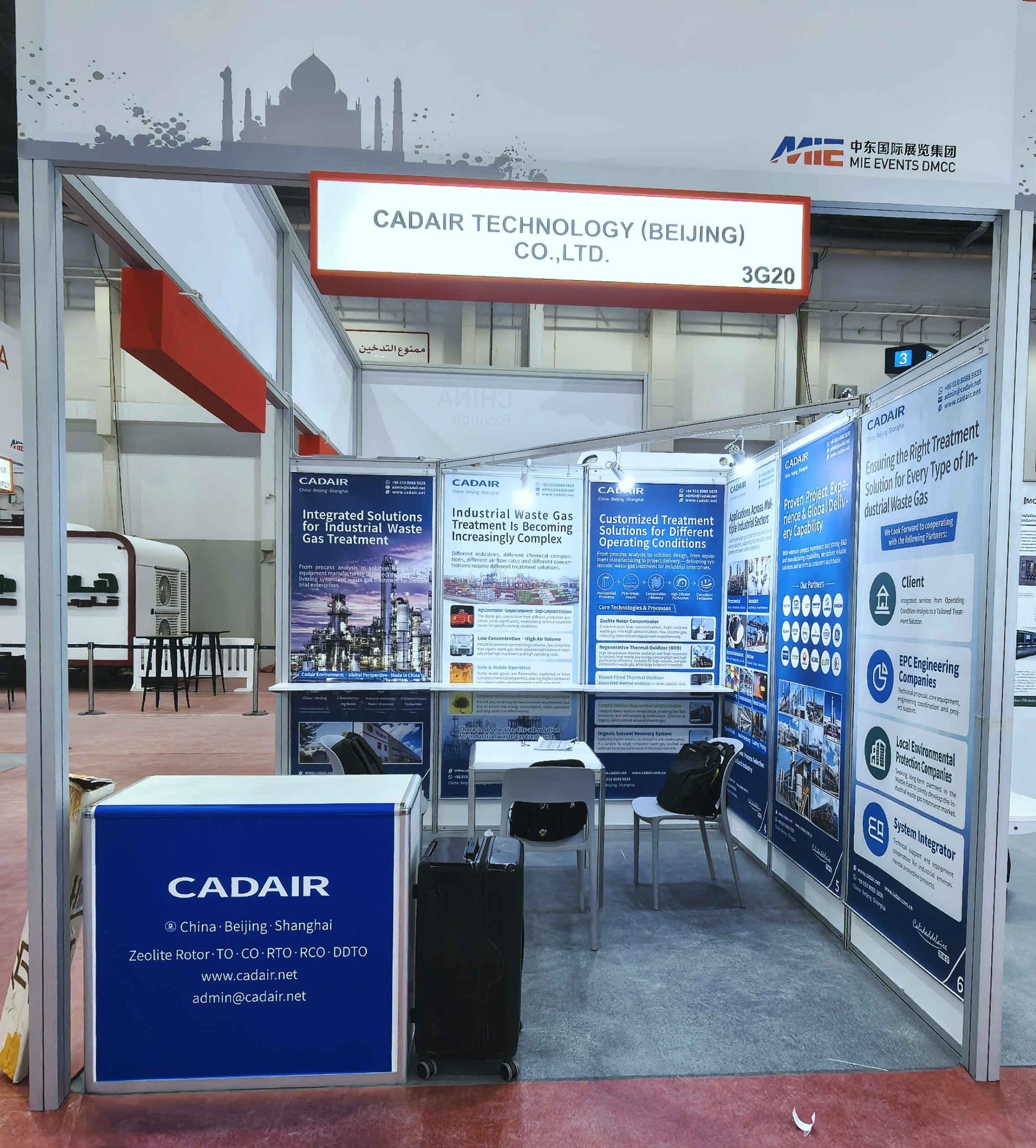
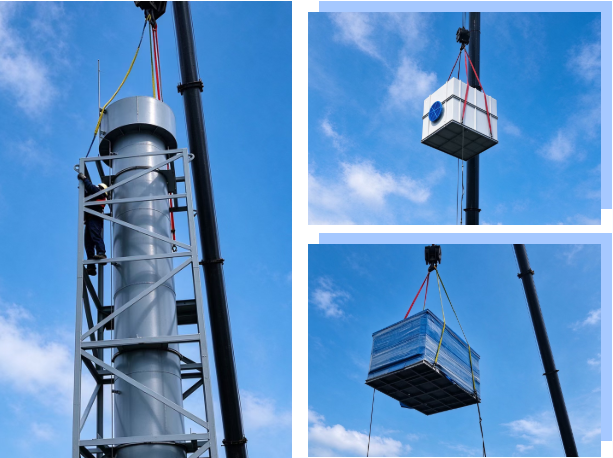
As a professional environmental brand deeply engaged inindustrial organic waste gas treatment, Cadair focuses on supporting industrial enterprises’ green transformation and solving complex VOCs treatment challenges. Tailored integrated waste gas collection, purification and treatment solutions are developed based on different industries, working conditions, exhaust components and concentrations, helping enterprises efficiently treat organic waste gas, achieve compliant discharge and realize standardized green production.
With the advancement of the Dual Carbon Goals and the improvement of green manufacturing systems, industrial environmental protection has evolved from traditional end-of-pipe treatment to full-process whole-process prevention and control. For manufacturing enterprises, environmental investment is no longer a pure cost. It ensures compliant and stable operation and directly boosts production efficiency, brand reputation and long-term core market competitiveness.
Conclusion: Minor Pollution Control Actions Build a Solid Barrier for Climate Security
Frequent extreme weather serves as a clear ecological warning: climate change and environmental pollution are deeply integrated with human production and life. Addressing global climate challenges requires international collaborative carbon reduction and overall governance, as well as continuous green transformation in industries, cities and society.
Every precise pollution reduction, every deployedenvironmental treatment system and every green upgrade in production may seem trivial. Yet these efforts reduce ecological pressure, safeguard climate security, build buffer capacity against extreme risks, and protect the sustainable future of humanity and nature.