Optimize your emission control with a VOC concentrator with zeolite rotor. Cadair.net provides advanced adsorption systems that reduce exhaust volumes by 20x, slashing the fuel costs of your RTO or CO.
The Efficiency Standard for Large Airflows
Managing industrial emissions becomes exponentially expensive as airflow volume increases. For facilities emitting hundreds of thousands of cubic meters of air with low solvent concentrations, a standalone incinerator is rarely cost-effective. The industry-leading solution is a VOC concentrator with zeolite rotor.
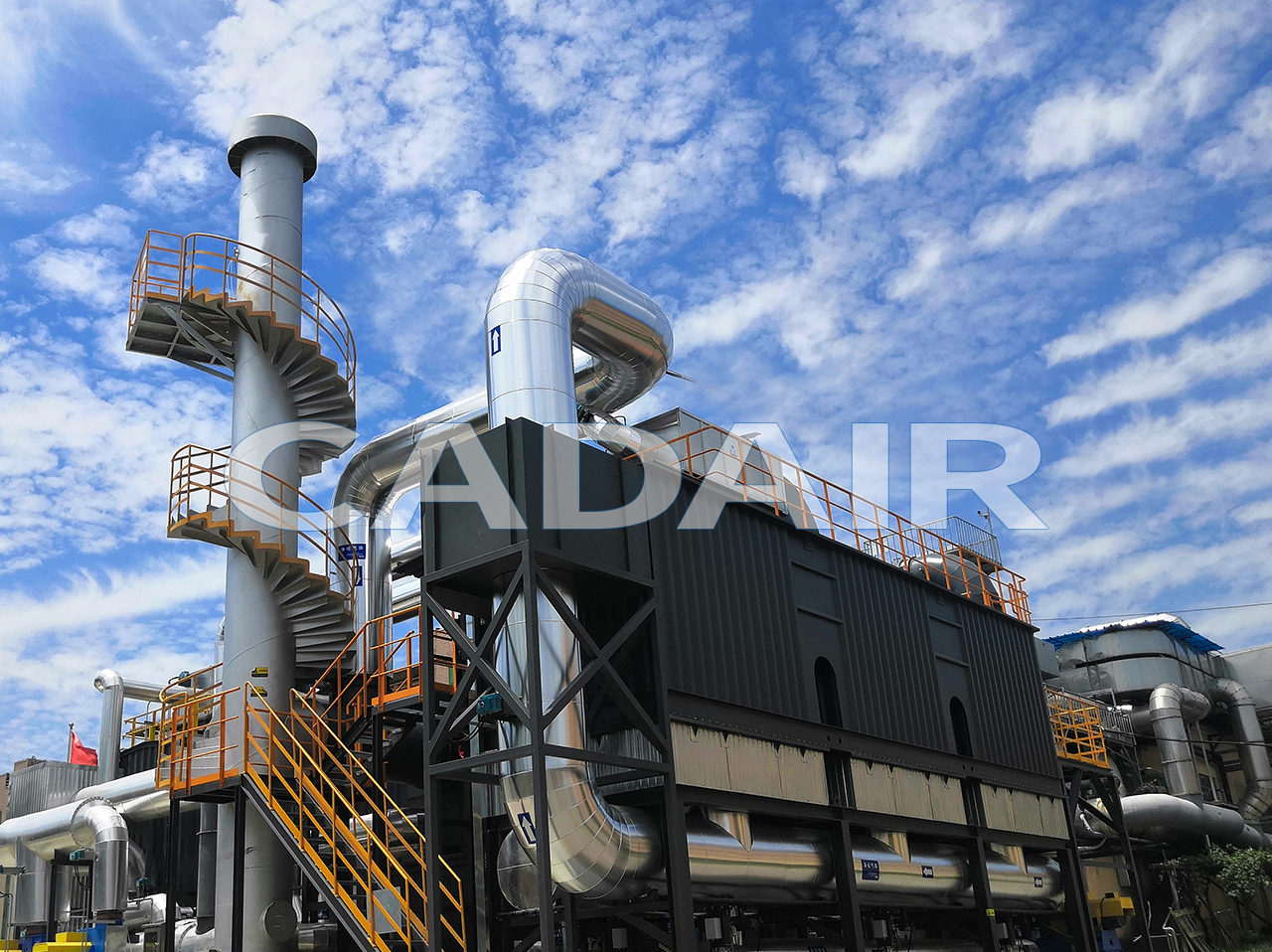
At ABOUT US, we specialize in engineering these hybrid systems. By concentrating the pollutants before they reach the destruction phase, our technology allows you to use a significantly smaller, more energy-efficient oxidizer.
1. How a VOC Concentrator with Zeolite Rotor Works
The system operates on a continuous cycle of adsorption and desorption, effectively “shrinking” the pollution problem:
- Adsorption: The large-volume, dilute VOC exhaust passes through the rotating zeolite honeycomb rotor. The hydrophobic zeolite captures the VOC molecules, and the purified air is safely discharged.
- Desorption: A small stream of heated air (typically 1/10th to 1/20th of the original volume) passes through a separate sector of the rotor, stripping away the trapped VOCs.
- The Concentrated Stream: This resulting high-concentration, low-volume stream is then sent to a small RTO or Catalytic Oxidizer (CO) for final destruction.
2. Why Zeolite is the Preferred Media
When choosing a VOC concentrator with zeolite rotor, the material science of the adsorbent is critical. Unlike older carbon-based systems, our zeolite rotors offer:
- Superior Fire Safety: Being an inorganic mineral, zeolite is non-combustible. This is vital for safety when treating flammable solvents like NMP or MEK.
- Hydrophobicity: Our rotors selectively adsorb VOCs even in high-humidity environments, ensuring high destruction removal efficiency (DRE) regardless of weather conditions.
- High Desorption Temperatures: Zeolite can withstand high-temperature regeneration, which is necessary for effectively clearing high-boiling-point VOCs from the wheel.
3. Economic Impact: Slashing Your OPEX
The primary reason to implement a VOC concentrator with zeolite rotor is the dramatic reduction in Operating Expenditure (OPEX).
- Fuel Savings: By reducing the volume of air that needs to be heated in an oxidizer by up to 95%, natural gas consumption is slashed.
- Autothermal Operation: In many cases, the concentrated stream provides enough “fuel” for the oxidizer to run without any auxiliary gas once started.
- Smaller Footprint: A concentrated system requires a much smaller footprint than a massive standalone thermal oxidizer.
Explore Technical Specs:Zeolite Concentration Rotor(CR)
4. Critical Applications
This technology has become the mandatory standard for:
- Semiconductor / LED / Display: Handling the massive ventilation required for cleanroom stability.
- Automobile & Parts Manufacturing: Managing paint booth exhaust from large-scale coating lines.
- Lithium Battery Production: Crucial for efficient NMP recovery and treatment.
Conclusion: Engineering Your Compliance
Investing in a VOC concentrator with zeolite rotor is a move toward both environmental compliance and operational sustainability. Cadair provides the engineering expertise to integrate these systems seamlessly into your existing production line.
Request a System ROI Analysis Provide us with your airflow and VOC concentration data, and our engineers will calculate the exact energy savings our zeolite rotor technology can provide.